
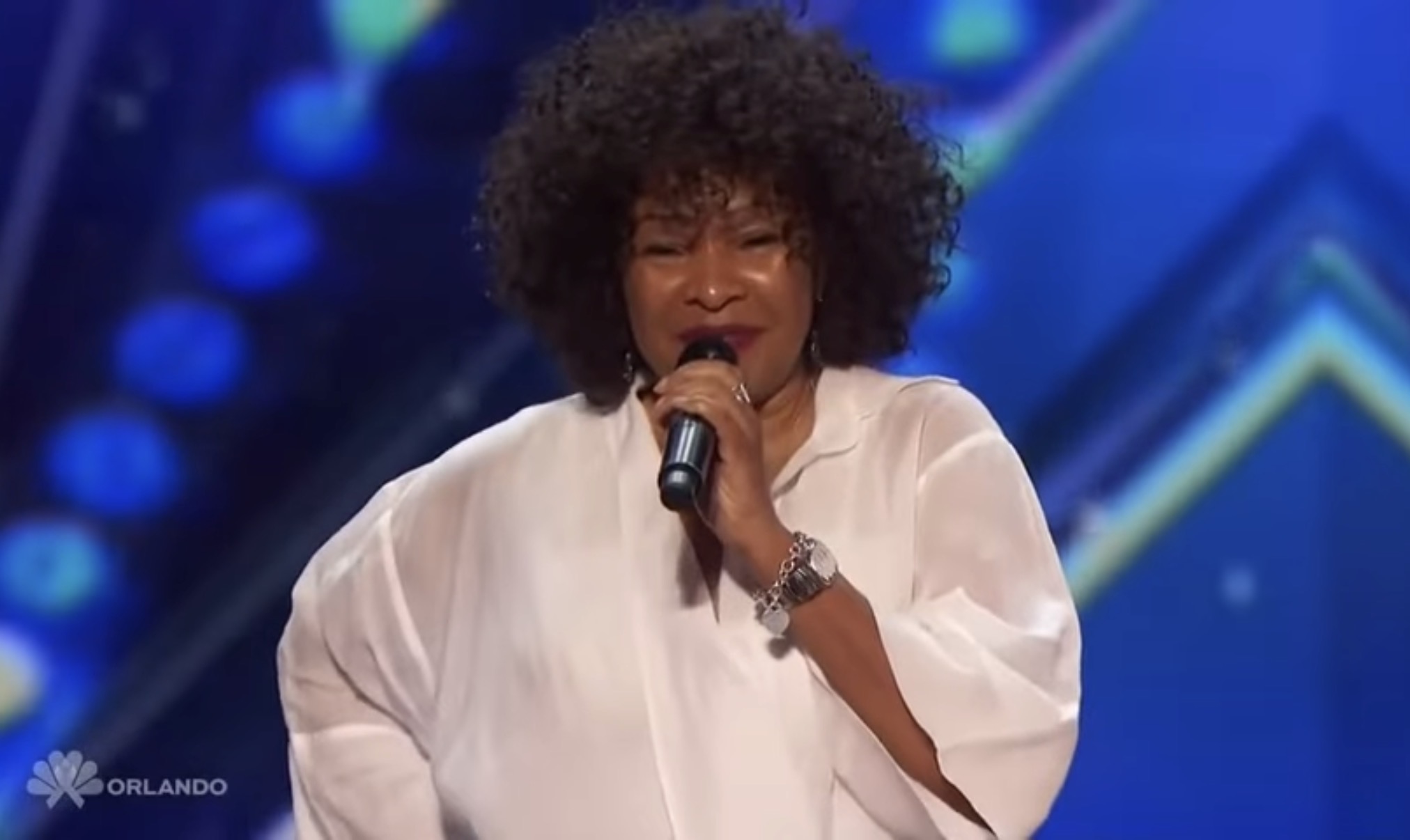
Ronee Martin walked onto the America’s Got Talent stage carrying more than a song; she carried decades of near-misses, late-night practice sessions, and the quiet weight of hopes deferred. At 62, she introduced herself as a legal assistant from Virginia who had spent years chasing a record deal that always seemed to slip away. There was a calm determination about her, the kind that comes from someone who has kept showing up despite setbacks. Still, you could sense a vulnerability beneath her composed exterior—this wasn’t just another audition. It felt like one of those pivotal moments that could finally tilt the arc of a long, patient dream.
Her initial choice, “I Can’t Make You Love Me,” is a heartbreakingly intimate ballad that asks for nuance, fragile phrasing, and a voice that can carry the ache of regret without over-sentimentality. Ronee’s first attempt at it, however, didn’t land the way anyone had hoped. The arrangement sat in a register that didn’t flatter her natural strengths; some notes felt flat, and the emotional connection that makes that song so devastating wasn’t fully realized. The judges exchanged glances, the smiles polite but uncertain, and you could feel the tension rise in the room as the audition teetered.
Simon Cowell, who has built a career on candid assessments, didn’t hesitate. He stopped the music and addressed Ronee with the directness he’s known for. His critique was plain: the song choice wasn’t working for her. It was a blunt intervention, the kind that can snap a performer out of their comfort zone—or break them altogether. In that high-pressure pause, with lights glaring and cameras rolling, most people would have wilted. Many would have apologized and shuffled off, trying to preserve dignity. Ronee, however, did something quieter and braver: she stayed steady, looked Simon in the eye, and asked if she could sing something else.
When she suggested “(You Make Me Feel Like) A Natural Woman,” there was a collective intake of breath. The song is gospel-rooted and requires not just vocal power but a specific style—soulful, lived-in, and full of conviction. It was a risky pivot, but the kind of choice that reveals character. The band counted in, Ronee took a breath, and the transformation began. In the opening bars she shed the fragile warmth that had hampered the previous song and opened into a richer, more resonant tone. The sound that filled the theater was warm and round, imbued with a depth that seemed to come from years of loving music behind the scenes rather than from the mechanics of technical training.
Small details made the shift feel profound. Where earlier she had seemed cautious, now she leaned into phrases, letting vowels bloom and allowing her vibrato to color the long notes with authentic feeling. Her timing tightened; she played with the space between phrases, suspending a line just long enough for it to land. Gestures—minute shifts of posture, a hand placed over her heart on a key phrase—gave the performance a sincerity that was impossible to fake. You could tell these were not ornaments but lived-in responses to the lyric: gratitude, longing, the kind of emotion that has been practiced in quiet kitchens and car rides for decades.
The audience reaction was immediate. Heads turned, mouths opened into small O’s of surprise, and applause grew louder with each chorus. Judges who had been reserved for the earlier number now leaned forward, visibly moved. Mel B admitted afterward that she had been ready to hit “no” after the first song but was completely taken aback by the second. That admission underscored something crucial: the transformation wasn’t merely about technical correction; it was about finding the right vehicle for a voice that had been waiting for its moment.
Simon’s response combined his blunt appraisal with a clear recognition of Ronee’s spirit. He praised not just the power of her voice but the tenacity that got her onto the stage in the first place. He framed the show’s mission in his feedback: this is where people who have been overlooked get a chance. For someone like Ronee, who had encountered so many “almosts,” that sentiment landed deeply. The four unanimous “Yes” votes that followed weren’t just courtroom formalities; they were an affirmation that talent can be rediscovered and reinterpreted at any age.
Beyond the judges’ table, there was a quietly human element to the whole moment. Ronee’s journey resonated not simply because of the surprise of the second performance, but because it reflected a broader truth about life and artistry: sometimes, the difference between failure and breakthrough is knowing when to change course, the courage to be vulnerable, and the humility to accept correction. Her audition was a compact lesson in resilience—an older artist showing younger viewers that careers don’t have to follow a linear path and that the dream of singing can remain alive and potent, even after years of near-misses.
When Ronee left the stage, the applause continued. It wasn’t just for the voice that had surprised a room of skeptics; it was for the example she embodied—that perseverance, adaptability, and belief can converge to create a second act. In that brief, electrifying stretch of time, the legal assistant from Virginia proved something timeless: talent may simmer for years, but given the right song and a chance to be herself, it can burst into bloom whenever the moment calls for it.