When twenty-year-old Joseph O’Brien walked onto the America’s Got Talent stage, there was an immediacy to his humility that made the room lean in. He was not the polished, coiffed contestant you often see on TV; instead he arrived in a simple shirt and jeans, hair a little mussed as if he’d been running his hands through it to calm himself. There was a shy, awkward charm to him — a nervous smile, a slight shuffle of his feet — the kind of presence that makes strangers in the audience want to root for you before you even open your mouth. In the pre-performance chat he seemed unexpectedly frank, the sort of honest awkwardness that’s disarming rather than off-putting.
Joseph openly admitted to the panel that he’d led something of a sheltered romantic life: he’d never been on a real date and, when asked by the judges in a playful British aside whether he had ever “snogged” anyone, he blushed and confessed he hadn’t even kissed anyone. The admission drew genuine laughter and an affectionate tease from the judges; the audience responded with sympathetic coos and knowing smiles. That little moment of vulnerability did more than elicit laughs — it painted a fuller picture of the person behind the performance. Suddenly, the man behind the microphone felt relatable and human, not a distant aspirant chasing fame. It also set a quietly powerful emotional frame for the song he would choose.
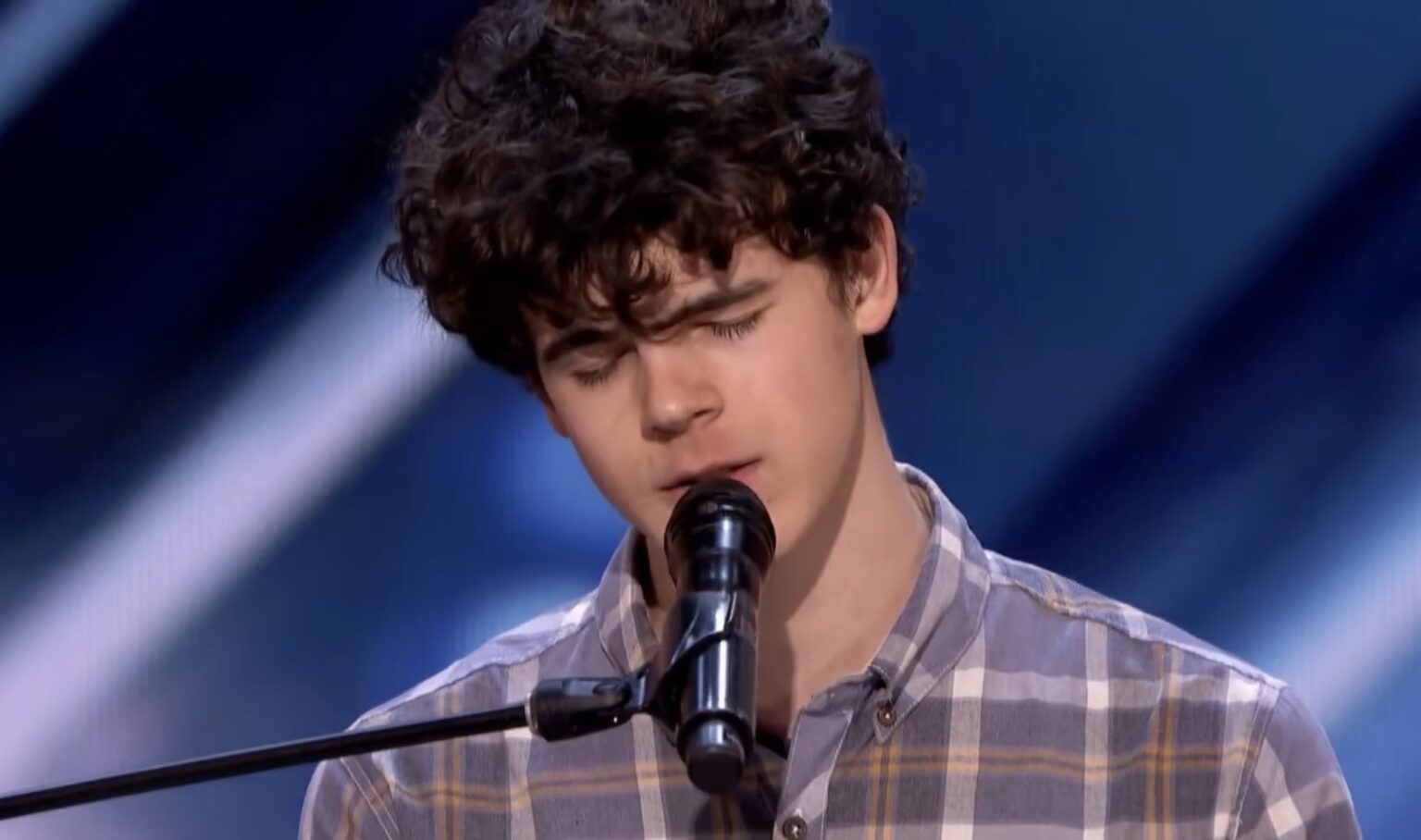
When Joseph sat down at the piano, you could sense a pivot. The self-effacing banter melted into focus. He selected Lionel Richie’s “Hello,” a ballad about longing and unspoken love that, in Joseph’s hands, felt immediately connected to the confessions he’d just made. The song demands sensitivity — it’s less about showing off and more about letting listeners into a tender inner space — and Joseph seemed to understand that instinctively. His fingers found the keys with a calm steadiness; the opening chords filled the auditorium with a warm, nostalgic shimmer. There was no grand entrance, no dramatic vocal gestures. Instead, he offered a measured, soulful approach that prioritized truth over flash.
From the very first line, it was apparent that his nervousness had transformed into concentration and artistry. Joseph’s vocal tone was clear and pure, with a gentle vibrato that colored his phrases without ever sounding forced. He treated each lyric as if it were spoken to someone he longed to know better: “Hello, is it me you’re looking for?” became less a famous hook and more a whispered question released into the theater. His phrasing was thoughtful; he lingered on certain vowels, allowed pauses to breathe, and used dynamics to shape the story — softening to draw listeners in, then letting notes bloom with genuine feeling on the chorus. There was a musical instinct in how he shaded a line or held a cadence, evidence of someone who lives with music rather than merely performs it.
Visually, the performance was intimate. Joseph’s shoulders relaxed, his head inclined toward the keys, and for brief moments his eyes closed as if recalling a memory. Those small gestures made the audience feel like they’d been invited into something private. The auditorium, which had greeted him with warm but protective affection, quieted into respectful attention; you could hear a dropped jaw or two in the first rows. The celebrity judges, initially amused by his earlier confession, shifted their expressions from playful to rapt. Their reactions were subtle — a leaning forward in a chair, brows raised, a hand pressed to a chin — but they told the story plainly: the singer had won them over.
There’s a particular emotional alchemy that occurs when a performer’s life experience lines up with the song’s narrative, and Joseph achieved that. The lyrics of “Hello” about unspoken feelings and yearning resonated, not as a generic showpiece, but as something that felt personally true given his openness about never having dated. That authenticity made the performance land in a way that technique alone could not. You sensed that every perfectly placed note contained not only practice but also a young man’s honest longing to connect.
As the final notes faded, the auditorium exhaled and then erupted into applause. Family members and friends in the wings were visibly moved; some wiped at tears, others shouted encouragement. On the judges’ panel, praise flowed freely. One judge complimented the purity of his tone; another marveled at the way he turned personal awkwardness into a strength onstage. They pointed out that Joseph had demonstrated a kind of quiet confidence that can be more compelling than an overtly flashy act. The four “yes” votes he received felt heartfelt, each one an acknowledgment that he’d done more than sing well — he’d made the room feel something.
Joseph left the stage having altered the narrative he’d started with. What began as a shy confession about being inexperienced with romance had become a poignant virtue: his sincerity made the performance more affecting, not less. He proved that you don’t need a dazzling backstory or theatrical bravado to create a moment that sticks; sometimes, all it takes is a soulful song, an honest heart, and the courage to sit down at the piano and let your voice do the talking.