
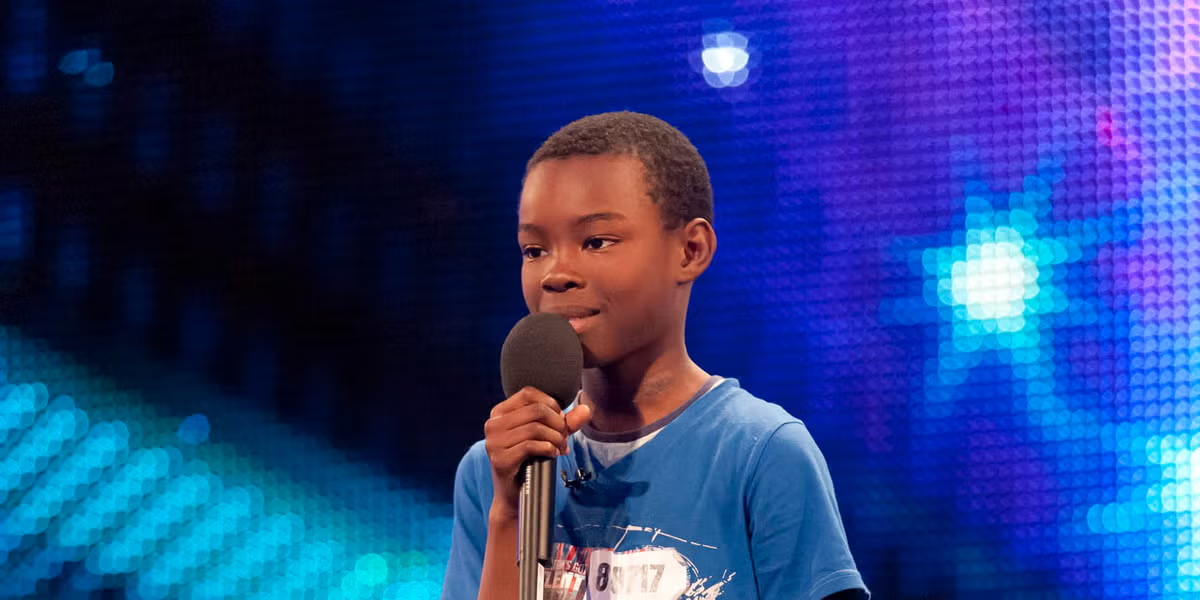
Nine-year-old Malaki Paul walked onto the Britain’s Got Talent stage and for a moment everything else felt enormous: the lights, the cameras, the rows of seats stretching away into darkness. He looked small against that vastness, a child in a grown-up world, and the first thing you noticed was how nervous he was. That nervous energy was visible in the way he shifted his feet and swallowed before speaking; it creased his brow in a way that made the audience ache for him. His mother stood in the wings, watching with that particular blend of pride and worry parents wear when they watch their children attempt something brave. Choosing “Listen” from Dreamgirls was a bold move for anyone, let alone a nine-year-old — the song demands vocal maturity, emotional depth, and the kind of stage presence that usually comes with years of experience. But Malaki had come prepared to try, and that in itself felt like a victory.
From the moment the backing track started, there was a hush that fell over the theatre. Initially his voice emerged with surprising clarity. In the first bars there was a steadiness to his tone that made people look up: he wasn’t merely mimicking the melody, he was inhabiting it. For several measures, it seemed he might carry the whole song off without faltering. There was a hint of aged wisdom in his phrasing, an unexpected control that made the judges sit up and listen, and you could see the audience responding, leaning forward as if to hear the rest of what the young boy had to say. His small hand sometimes reached up to his chest, almost unconsciously, as if holding the feelings the lyrics called for. It was easy to imagine him singing quietly in his bedroom or in the car with his family, practicing the swells and breaths that made the opening so compelling.
But the theatre is a space that amplifies not just sound but feeling, and for Malaki, the enormity of the moment seemed to build until it became tangible pressure. Partway through, that pressure grew too intense. His shoulders tightened, his breath hitched, and the confidence that had buoyed those opening lines slipped away. The notes stopped, and the fragile hush of the auditorium broke into concerned murmurs. Tears began to slide down his cheeks, and it was a heartbreaking sight — a talented child undone not by the song itself but by the weight of expectation. The judges and audience reacted not with impatience but with sympathy; the applause was replaced by murmured encouragement, and Alesha Dixon and the others offered soft, supportive words. In that instant the audition became less about competition and more about care.
The scene that followed felt almost instinctive: Malaki’s mother, unable to watch from the wings any longer, rushed onto the stage. She crossed the floor with that urgent, unthinking speed parents have when their child needs them, and without regard for the formalities of the show she scooped him into a tight embrace. In that hug there was relief and apology and fierce protection all mixed together. The image of mother and son standing center stage, briefly disconnected from the cameras and the judges and the rules, felt almost sacred. For a few moments the program’s rhythm paused; the bright lights and the rows of cameras seemed to recede, replaced by the simple solace of an adult holding a child. The audience responded with a spontaneous, heartfelt cheer that sounded more like comfort than applause — a collective exhale.
That hug was more than consolation; it was a reset. Malaki’s shoulders loosened, his breathing slowed, and the sobs abated. He wiped his face with the back of his hand, took a steadying breath, and looked up with a newly determined glint in his eyes. With his mother at his side and the room filled with genuine goodwill, he asked politely if he could have another go. The judges conferred for a moment and — moved by the circumstances and by what they’d already heard — agreed. It was a small act of mercy that acknowledged the human side of performance: people aren’t just artists to be judged; they’re living, feeling beings who sometimes need a second chance.
When Malaki restarted “Listen,” the change was palpable. Whatever had shaken him in the first attempt seemed to have been transmuted into fuel. He sang with a renewed focus, and the emotional resonance of the earlier breakdown gave his delivery an extra layer of authenticity. The quiet moments held their weight; the climactic phrases carried more emotional truth. He didn’t try to hide the fact that he had been crying — instead, he let that honesty sit in his voice, shaping the color and urgency of each line. Where some performers would have tried to cover their nerves with bravado, Malaki allowed his vulnerability to deepen the song. The result was not just technically proficient — though his pitch and control were impressive — but genuinely moving.
The judges responded not just to the improvement but to the bravery of the whole episode. Alesha Dixon called him a “natural raw talent,” highlighting how his gift shone even through tears. Simon Cowell praised the courage it took to pick himself up and keep going, remarks that seemed to come from genuine admiration rather than showmanship. The applause at the end was thunderous and warm, the kind of reception that felt earned and deserved. When the four “Yes” votes came through, they rang like a communal relief — validation not only of Malaki’s vocal ability but of his resilience.
As he left the stage, hand in his mother’s, the boy who had entered wide-eyed and trembling now walked with a quieter confidence. The night had given him something larger than a pass to the next round: it had shown him that vulnerability need not be a weakness, that asking for help and accepting it can lead to profound triumph. For viewers and everyone in the auditorium, Malaki’s audition became a moving reminder that courage looks different at every age, and that sometimes the most unforgettable performances are those that contain, within them, the story of getting back up.