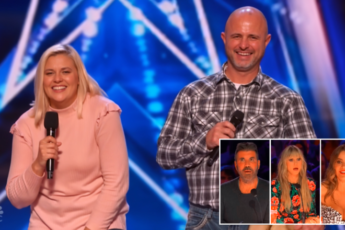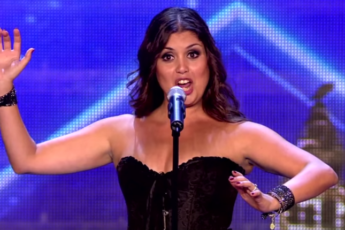
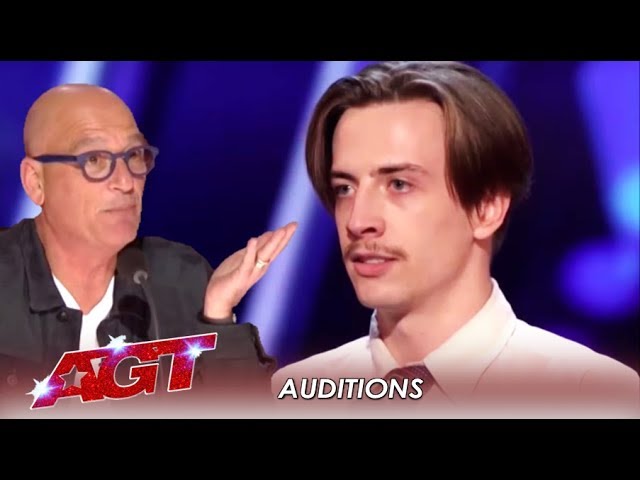
Reality television has a way of turning a single moment into a lesson everyone remembers, and the awkward karaoke audition on America’s Got Talent in 2019 is one of those teachable moments: it reminded viewers — sometimes painfully — that song choice can make or break a performance. The clip that went viral is as entertaining as it is instructive, but to fully appreciate why that little episode landed the way it did, it helps to understand the bigger machine behind it: the “Got Talent” format and how it became a global stage for every kind of performer.
The story of Got Talent begins with a simple idea: open the stage to anyone, then let the audience and judges decide who has something special. That idea came from Simon Cowell’s SYCOtv and was turned into a sturdy television format by Fremantle Media Ltd. What made it revolutionary was the breadth of acts it welcomed. Unlike programs that focus narrowly on singing or producing pop stars, Got Talent intentionally mixed disciplines — singers, magicians, acrobats, comedians, and anything in between. That variety created unpredictable television, and unpredictability is a currency audiences love.
Fremantle and Cowell managed to package this unpredictability into a format that could be replicated around the world, and they did it with such clarity and craftsmanship that the show sprouted international versions in more than 70 countries. From America’s Got Talent to Britain’s Got Talent, Pilipinas Got Talent to India’s Got Talent, the core rules stayed the same: an open audition, judges who double as gatekeepers and personalities, and the possibility that an ordinary person could become an overnight sensation. Guinness World Records even recognizes Got Talent as the most successful reality TV format in history, and the claim is easy to believe when you think about how many night-after-night conversations the show has sparked across continents.
Part of the magic, or chaos depending on your perspective, comes from the producers who shape the narrative. Cowell himself has said he’s proud that Got Talent started in Britain, and he’s quick to credit a global team of skilled producers for the format’s success. Those producers are the ones who turn raw auditions into cinematic television: choosing which camera angles to emphasize, which contestant backstories to highlight, and how to edit audition clips so that a nervous teenager, a hopeful mom, or an eccentric karaoke singer becomes someone viewers care about. Their job is to find the human story inside each act and to make sure it resonates with the widest possible audience.
That resonance explains why clips like the karaoke fail get shared so widely. On the surface, the moment is awkward — a contestant steps up brimming with confidence but chooses a song that doesn’t suit their voice, or the arrangement is wrong, or the timing is off. The result is jarring: instead of evoking emotion, the performance prompts cringes and nervous laughter. But that reaction is part of why Got Talent became a cultural phenomenon. The format gives ordinary people a spotlight, and with that spotlight comes the risk of spectacular success or spectacular failure. People watch because the stakes feel real.
The Top 10 Talent YouTube channel has recognized the appetite for these moments, curating highlights from across the Got Talent, Idol, and X Factor universes. Channels like that serve a simple purpose: they bring together the best, the worst, the surprising, and the heartwarming in one place. When you click through their playlists — imagine America’s Got Talent’s jaw-dropping acts next to Britain’s Got Talent’s emotional auditions — you get a sense of how varied the human impulse to perform can be. Sometimes the clip that gets the most clicks is the soaring victory; other times, it’s the well-intentioned karaoke singer who overlooked the basics of song choice.
That particular 2019 audition became a small cultural touchstone because it crystallized a lesson that veterans and novices alike know instinctively: not every song fits every voice. A singer might have charisma, stage presence, and a good ear, but if they pick a song outside their vocal range or one whose emotional subtleties they can’t inhabit, the result can be flat or even uncomfortable to watch. The judges often try to salvage such moments with constructive comments, but the truth is that a mismatched song is hard to recover from in the span of one performance.
And yet, there’s a reason shows like Got Talent still include these risky auditions: they remind us that performing is human, messy, and sometimes brave. The contestant who chose poorly that night probably walked off stage embarrassed, but they also took a risk in front of millions, and risk is the currency of meaningful art. Meanwhile, viewers learn vicariously — what works, what doesn’t, and why wise song selection matters. Producers, judges, and aspiring performers all watch and learn.
Ultimately, Got Talent’s appeal lies in its ability to hold up a mirror to the hopeful, awkward, triumphant, and occasionally cringeworthy moments that make us human. Whether you’re tuning in for world-class acts or the train-wreck auditions that teach lessons in real time, the format’s global reach — and the clips curated by channels like Top 10 Talent — ensure these moments keep circulating, prompting laughter, discussion, and sometimes, gentle second chances.