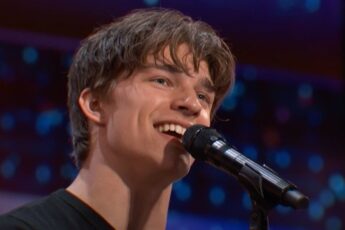

When Balance stepped onto the Britain’s Got Talent stage in 2016, they didn’t walk out like a group hoping to be liked — they strode in with the kind of swagger that announces you’re already halfway through the show in your head. From the first second you noticed uniformity in their look: coordinated outfits that read streetwise but polished, sneakers that had clearly seen a lot of rehearsals, hair and accessories chosen to catch the stage lights. Their entrance carried confidence; it wasn’t brash, but it was unmistakable. You could tell they’d come prepared to own the room rather than just ask for attention.
The energy they brought was immediate and contagious. When the beat dropped, the theatre seemed to shift on its axis. Those opening bars acted like a magnet — audience members leaned forward, judges’ expressions straightened into interested smiles, and you could feel the anticipation ripple through the seats. Balance didn’t aim for quiet elegance; they went for kinetic joy, blending slick street dance technique with a party-ready attitude. Their routine threaded together crisp choreography, pinpoint timing, and playfully exaggerated moments that invited the room to lean in and laugh along.
What made their routine especially compelling was the mix of technical skill and personality. There were moments of precision: hard-hitting pops and locks, clean freezes, and footwork that snapped back into place as if guided by a metronome. Those moves showed training and discipline. But those technical bits were punctuated by charismatic beats — cheeky facial expressions, high-fives thrown into the audience, and a few theatrical pauses where the dancers seemed to wink at the camera. That balance between exactness and showmanship made every transition feel intentional; nothing ever lingered too long, and nothing felt mechanical.
Transitions can kill momentum in dance if they’re clumsy, but Balance executed them with a polish that suggested hours of shared rehearsal. One dancer would launch a spin, another would pick up the rhythm with a matching accent, and the group snapped back into formation as if they shared one collective sense of timing. Their chemistry was obvious: they trusted each other’s cues, fed off small improvisations, and created a stage presence that felt more like a tight-knit crew than a group of individuals. That trust is visible in subtle ways — a split-second glance, a hand hovering to catch a partner during a lift, a synchronized breath before a big drop — and it all added to the feeling that you were watching a well-oiled machine built to have fun.
Comedy and crowd interplay were baked into the performance, too. Balance didn’t keep the show to themselves; they invited the judges and audience to join the experience. Alesha Dixon, who often keeps a discerning eye, found herself grinning in a way that made it clear she’d been drawn in. There was a playful moment where the dancers coaxed her to copy a simple move — the now-infamous Nae Nae — and she obliged, laughing into the moment with genuine delight. That tiny episode did more than get a judge to dance; it collapsed the distance between performer and spectator, turning the audition into a communal moment. Judges weren’t just adjudicators in that minute; they became participants, breaking the formal barrier that sometimes keeps audiences at arm’s length.
The staging and production worked in their favor, too. Lighting cues punctuated beats and rewinds, smoke and spotlights made the freezes pop, and camera cuts captured close-up energy that translated to home viewers. But the performance never relied solely on spectacle; the choreography itself was the star. You could sense the group’s intent to create a party on stage and sustain it without lapsing into gimmickry. The music choices blended popular tracks with rhythmic beats that allowed both individuals and the ensemble to shine.
As the routine neared its end, the audience’s response escalated from polite appreciation to full-on celebration. Applause swelled into shouts, people were on their feet, and you could see smiles breaking across faces that had started the audition with polite curiosity. The joyous atmosphere lingered after the final pose — the kind of lingering high that follows something effortlessly entertaining. In talent shows, that residual buzz is a good sign; it means the act delivered not just for a minute, but for the ecosystem of the studio: the judges, the audience, and the viewers at home.
Balance’s audition is a reminder of why dance acts can be some of the most electrifying moments on a talent show. They demonstrated that stagecraft isn’t only about executing difficult moves; it’s about creating an emotional arc that people can step into. With big personality, big rhythm, and an unmistakable sense of fun, Balance left the theatre grinning and energized. Their performance wasn’t just an audition — it was a celebration that got everyone involved, proving that sometimes the most memorable stage moments are the ones that feel like you’re stepping into a live party rather than watching a passable routine.